


Sleep according to our experts
Sleep is not an isolated problem. It reflects your daily life: stress, diet, exercise... To help you understand these links, Napoon has brought together experts who share their unique perspectives.


Eloïse Laram | Naturopath and Founder of Kazel

Eloïse Laram | Naturopath and Founder of Kazel
Sleep is one of the pillars of a healthy lifestyle, just like diet and exercise. In naturopathy, we take the human being as a whole, looking for the cause rather than suppressing the symptoms.
Restorative sleep will contribute to stress management, hormone regulation and the brain system, but also, among other things, strengthen the immune system.
A lack of sleep will therefore lead to numerous disorders and, unfortunately, in the long term, will probably give way to certain chronic and/or inflammatory diseases.
My approach to sleep is non-medicinal. I won't talk to you about complex molecules or protocols, but about behavior, emotions, habits. Simple, basic things that we often forget because we're looking for complicated solutions.
The first thing I learned is that sleep cannot be forced.
Imagine an apple on an apple tree. If you want it to be good, sweet, perfectly ripe, you can't pull it off by force. It will be sour, hard, disappointing. You have to wait for it to fall by itself, at the right time. Sleep is exactly the same. The more you force it, the more it resists. The more patiently you wait for it, the more naturally it comes.
Sleep cannot be commanded. It must be understood.
To understand it, you need to learn to listen to two sensations that your body sends you every day (and that most of us confuse): fatigue, and drowsiness. Two very different signals.
Knowing how to distinguish them is the first step to re-establishing a true relationship with your sleep.
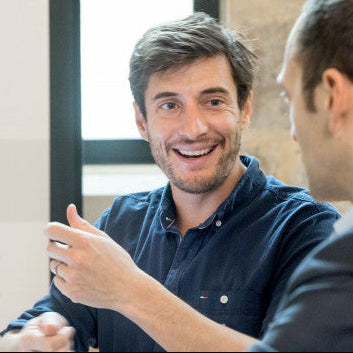
Vincent Attalin | Sleep dorctor at Clinique Beausoleil Montpellier

Vincent Attalin | Sleep dorctor at Clinique Beausoleil Montpellier
My approach to sleep is non-medicinal. I won't talk to you about complex molecules or protocols, but about behavior, emotions, habits. Simple, basic things that we often forget because we're looking for complicated solutions.
The first thing I learned is that sleep cannot be forced.
Imagine an apple on an apple tree. If you want it to be good, sweet, perfectly ripe, you can't pull it off by force. It will be sour, hard, disappointing. You have to wait for it to fall by itself, at the right time. Sleep is exactly the same. The more you force it, the more it resists. The more patiently you wait for it, the more naturally it comes.
Sleep cannot be commanded. It must be understood.
To understand it, you need to learn to listen to two sensations that your body sends you every day (and that most of us confuse): fatigue, and drowsiness. Two very different signals.
Knowing how to distinguish them is the first step to re-establishing a true relationship with your sleep.
Sleep is a fundamental pillar of health, just like diet and physical activity.
Poor or insufficient sleep directly influences eating behaviors, which can hinder or even compromise physical and mental goals.
Even over a few days, a lack of sleep leads to increased hunger while decreasing satiety. The result: cravings for sugar and fat multiply, and food intake becomes increasingly significant, which promotes fat gain.
That's why in dietetics, even before trying to eat better, we work on essential foundations to improve sleep quality.
This includes:
● Daily exposure to natural light (at least 20 minutes) to regulate the biological clock
● Integrating a minimum of 5000 steps per day to stimulate the body
● Breathing exercises to calm the nervous system and promote falling asleep
● A structured and adapted diet, providing all the necessary nutrients for restorative sleep
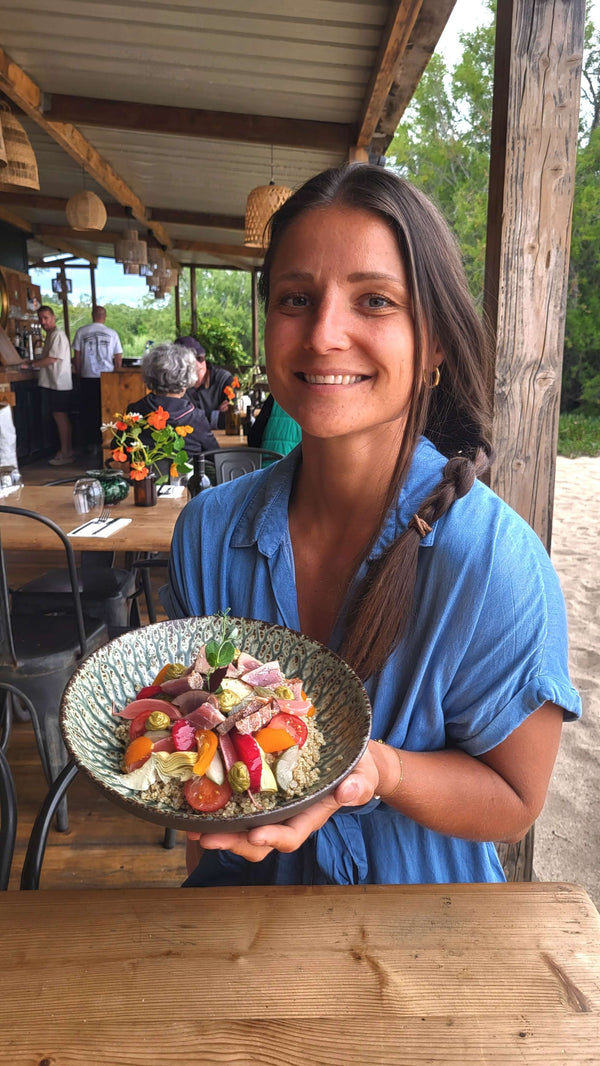
Capucine Courant | Sports Coach and Nutrition Coach

Capucine Courant | Sports Coach and Nutrition Coach
Sleep is a fundamental pillar of health, just like diet and physical activity.
Poor or insufficient sleep directly influences eating behaviors, which can hinder or even compromise physical and mental goals.
Even over a few days, a lack of sleep leads to increased hunger while decreasing satiety. The result: cravings for sugar and fat multiply, and food intake becomes increasingly significant, which promotes fat gain.
That's why in dietetics, even before trying to eat better, we work on essential foundations to improve sleep quality.
This includes:
● Daily exposure to natural light (at least 20 minutes) to regulate the biological clock
● Integrating a minimum of 5000 steps per day to stimulate the body
● Breathing exercises to calm the nervous system and promote falling asleep
● A structured and adapted diet, providing all the necessary nutrients for restorative sleep
In my practice as a hypnotherapist, many people consult me for sleep-related difficulties: difficulty falling asleep, nocturnal awakenings, or a form of anxiety at bedtime.
A phenomenon I very often observe is what one might call the injunction to sleep. The more fatigue accumulates, the more the pressure mounts: one absolutely must sleep. But this pressure keeps the mind in a state of vigilance. The body is tired, but mental activity remains active.
Nocturnal awakenings often work in the same way. A person wakes up, checks the time, calculates the number of hours remaining before the alarm… and the mind immediately starts moving again.
In these situations, it's usually not sleep itself that's the problem, but this state of inner hyper-vigilance.
Hypnosis is particularly interesting in this context because it allows us to act on the automatic and unconscious mechanisms that influence sleep. Some people gradually develop negative associations around bedtime: anticipation of insomnia, hyper-vigilance or worry about nocturnal awakenings.
These reactions then become automatisms that are triggered almost despite themselves. Hypnotic work consists precisely of modifying these unconscious associations, in order to restore more peaceful responses to bedtime and nocturnal awakenings.
The goal is therefore not to "force" sleep, but rather to deactivate certain tension automatisms to allow sleep to become a natural process again.
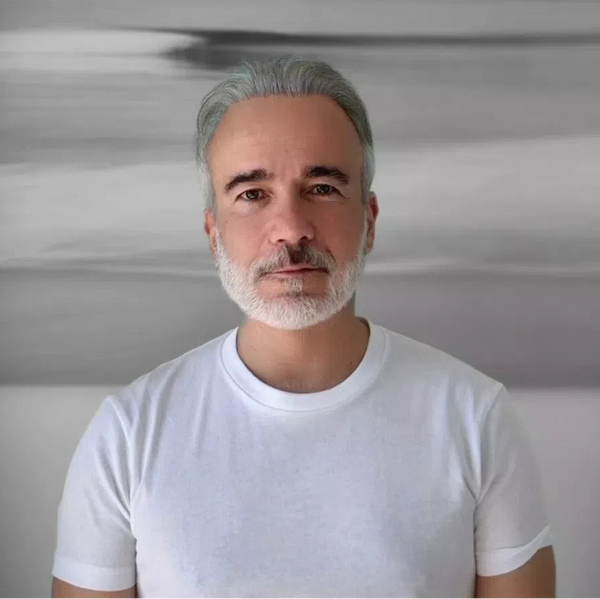
Yohan Labit | Hypnotherapist, Founder of Hypnolis
Yohan Labit | Hypnotherapist, Founder of Hypnolis
In my practice as a hypnotherapist, many people consult me for sleep-related difficulties: difficulty falling asleep, nocturnal awakenings, or a form of anxiety at bedtime.
A phenomenon I very often observe is what one might call the injunction to sleep. The more fatigue accumulates, the more the pressure mounts: one absolutely must sleep. But this pressure keeps the mind in a state of vigilance. The body is tired, but mental activity remains active.
Nocturnal awakenings often work in the same way. A person wakes up, checks the time, calculates the number of hours remaining before the alarm… and the mind immediately starts moving again.
In these situations, it's usually not sleep itself that's the problem, but this state of inner hyper-vigilance.
Hypnosis is particularly interesting in this context because it allows us to act on the automatic and unconscious mechanisms that influence sleep. Some people gradually develop negative associations around bedtime: anticipation of insomnia, hyper-vigilance or worry about nocturnal awakenings.
These reactions then become automatisms that are triggered almost despite themselves. Hypnotic work consists precisely of modifying these unconscious associations, in order to restore more peaceful responses to bedtime and nocturnal awakenings.
The goal is therefore not to "force" sleep, but rather to deactivate certain tension automatisms to allow sleep to become a natural process again.

In Naturopathy, before even considering any food supplement, it is essential to go back to basics.
Ayurvedic medicine refers to three fundamental pillars of balance: diet, sleep, and the management of our vital energy. These three elements support the body and allow both body and mind to remain in harmony.
Yet, if one had to be singled out, sleep is probably the most fundamental pillar. In reality, the other two largely depend on it.
When sleep is disturbed, everything else naturally goes out of whack. Appetite changes, hunger signals become less clear, food cravings shift, and one often loses the ability to truly listen to the needs of one's body.
Similarly, when rest is insufficient, it becomes much more difficult to manage one's daily energy: fatigue sets in, nervous tension increases, and the body gradually loses its ability to adapt.
This is why, in Naturopathy as in Ayurveda, sleep is always one of the first aspects that is supported. It allows the nervous system to calm down, the body to reorganize, and the mind to regain more clarity and stability.
Taking care of your sleep is not a luxury. It is a fundamental act of health.
Mathilde Courjal | Naturopath and Director of the Ayurvedic Reflexology School

Mathilde Courjal | Naturopath and Director of the Ayurvedic Reflexology School
In Naturopathy, before even considering any food supplement, it is essential to go back to basics.
Ayurvedic medicine refers to three fundamental pillars of balance: diet, sleep, and the management of our vital energy. These three elements support the body and allow both body and mind to remain in harmony.
Yet, if one had to be singled out, sleep is probably the most fundamental pillar. In reality, the other two largely depend on it.
When sleep is disturbed, everything else naturally goes out of whack. Appetite changes, hunger signals become less clear, food cravings shift, and one often loses the ability to truly listen to the needs of one's body.
Similarly, when rest is insufficient, it becomes much more difficult to manage one's daily energy: fatigue sets in, nervous tension increases, and the body gradually loses its ability to adapt.
This is why, in Naturopathy as in Ayurveda, sleep is always one of the first aspects that is supported. It allows the nervous system to calm down, the body to reorganize, and the mind to regain more clarity and stability.
Taking care of your sleep is not a luxury. It is a fundamental act of health.

Sleep disorders are never trivial. Whether it's difficulty falling asleep, nighttime awakenings, or waking too early, our body speaks to us through sensations, emotions, and symptoms. In our society, we have rarely learned to listen to or decipher these messages.
Conventional medicine often provides a valuable answer when there is an identified physiological cause. But when examinations are normal and the problems persist, the proposed solutions are frequently limited to medications, which act on the symptom without always exploring the deep origin of the imbalance.
This is where complementary approaches can play an essential role.
Alternative medicines and psycho-corporal approaches allow for the exploration of the different dimensions of the human being: emotional, mental, energetic, and sometimes transgenerational.
Tools such as hypnosis, EFT, sophrology, or even certain energetic approaches can help release unconscious tensions, soothe the nervous system, and restore movement where something has remained blocked.
In this global vision, insomnia is no longer a problem to be eliminated, but a message to be understood. By learning to listen to the body and decode what it expresses, it becomes possible to get to the root of the problem and gradually regain more natural, peaceful, and restorative sleep.
Krystel Maitrepierre | Hypnotherapist and Founder of @Lechemindumieuxetre

Krystel Maitrepierre | Hypnotherapist and Founder of @Lechemindumieuxetre
Sleep disorders are never trivial. Whether it's difficulty falling asleep, nighttime awakenings, or waking too early, our body speaks to us through sensations, emotions, and symptoms. In our society, we have rarely learned to listen to or decipher these messages.
Conventional medicine often provides a valuable answer when there is an identified physiological cause. But when examinations are normal and the problems persist, the proposed solutions are frequently limited to medications, which act on the symptom without always exploring the deep origin of the imbalance.
This is where complementary approaches can play an essential role.
Alternative medicines and psycho-corporal approaches allow for the exploration of the different dimensions of the human being: emotional, mental, energetic, and sometimes transgenerational.
Tools such as hypnosis, EFT, sophrology, or even certain energetic approaches can help release unconscious tensions, soothe the nervous system, and restore movement where something has remained blocked.
In this global vision, insomnia is no longer a problem to be eliminated, but a message to be understood. By learning to listen to the body and decode what it expresses, it becomes possible to get to the root of the problem and gradually regain more natural, peaceful, and restorative sleep.
A dream come true!
The blanket is beautiful, which is important. I tried to lie down under it at 7:30 pm. Bad idea, because the relaxation was immediate and I didn't want to get up. A really great product.

Concrete results
Deeper sleep, reduced nighttime awakenings, general well-being, better mood... These are the benefits targeted from the very first nights.
Natural therapeutic tool
We use the science of weight to create our weighted blankets, calibrated to the square centimeter, stable, elegant and 100% natural.
30-day money-back guarantee
Because we want to help you regain deep, natural sleep without medication, thanks to the principle of deep pressure.


Need help?
Our team is available to assist you 7 days a week, with a guaranteed response in less than 24 hours.
Frequently Asked Questions.
What is a weighted blanket ?
A weighted blanket is heavier than traditional blankets or throws. It applies gentle, even pressure to your body, similar to a prolonged hug. This pressure activates your parasympathetic nervous system, reducing stress and promoting deeper sleep, without medication. ➞Learn more
What are the benefits?
- Improved sleep: Drift into deep, restorative sleep
- Reduced anxiety: Gentle pressure naturally promotes relaxation
- Calmed nervous system: A reduction in anxiety
- Safety and comfort: An enveloping, protective feeling
- Muscle relaxation: Deep release of tense muscles
What's the scientific mechanism?
The principle relies on deep pressure stimulation. When you slip under a Napoon blanket:
- The weight activates pressure receptors located across your body
- These receptors send calming signals to your nervous system
- Your body naturally slows its heart rate and breathing
- Your brain begins producing less cortisol (the stress hormone)
- This physiological cascade creates a natural feeling of calm and safety, helping you fall asleep.
It's a genuine dialogue between your brain and your skin. It's like getting a massage over your whole body, without going to a massage studio.


Sleep is one of the pillars of a healthy lifestyle, just like diet and exercise. In naturopathy, we take the human being as a whole, looking for the cause rather than suppressing the symptoms.
Restorative sleep will contribute to stress management, hormone regulation and the brain system, but also, among other things, strengthen the immune system.
A lack of sleep will therefore lead to numerous disorders and, unfortunately, in the long term, will probably give way to certain chronic and/or inflammatory diseases.